INSIDE THE PRACTICE

How to attract business owner clients before they sell

Smiling business owner in a yellow sweater standing inside his restaurant.

Key takeaways

  • Business owners represent an appealing growth opportunity for advisors, with significant ownership among wealthy households and exits totaling $14 trillion expected in the next decade.
  • By connecting business planning, personal wealth, family dynamics, tax strategy, liquidity needs and post-exit purpose, advisors can earn the trust of business owners and serve them through a future sale.
  • Accessing business owner prospects can be challenging, but advisors can build pathways into this valuable client segment through retirement plan relationships, referral networks and business owner communities.

Business owners can be a growth opportunity for advisors

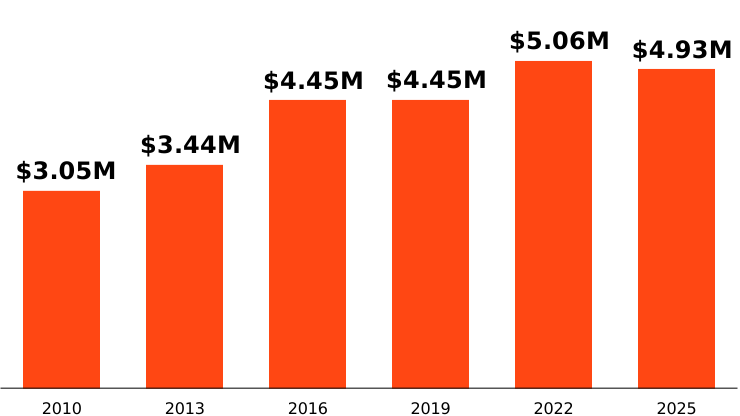
Business owners are an increasingly important segment for advisors seeking growth. Among the top decile of U.S. households by net worth, 44% own a business, and the average value (in 2025 dollars) has increased more than 60% over the past 15 years.1 A substantial amount of this illiquid wealth is poised to be unlocked as many Baby Boomer and Gen X owners approach a transition. Within the next decade, 73% of owners over the age of 43 anticipate selling, teeing up an estimated $14 trillion in business sales, according to the Exit Planning Institute.2 Owners’ need for guidance through the business, personal wealth and post-exit well-being aspects of a transition creates significant opportunities for advisors.

Most owners will sell one business, one time. These liquidity events are often the culmination of their life’s work. They’ll want help from an advisor who has been at their side for years, not one who has been waiting at the finish line for the check. If you want to attract and build enduring relationships with business owner clients, show them that you understand how their business, personal wealth and family goals intersect, and expand your access to this market segment by creating intentional pathways to more business owner clients.

The increasing value of wealthy clients’ businesses expands the opportunity for advisors
Average value of business equity held by top-decile U.S. households by net worth, adjusted to 2025 dollars

Chart showing average value of business equity held by top-decile U.S. households by net worth, adjusted to 2025 dollars

Source: Federal Reserve, Survey of Consumer Finances, 2025.

Deepen relationships before a business sale is on the horizon

For many owners, their business is the foundation of their family’s wealth: 44% say their company represents more than half of their wealth, while roughly 90% say it accounts for more than a quarter.³ But their business is often more than an asset. It may also be their family’s employment engine, retirement fund and a source of personal identity, making their business, family and wealth deeply intertwined.

This dynamic creates opportunities for advisors to add value well before an exit is on the horizon. Yet many advisor relationships with business owners remain relatively narrow, centered on managing the company retirement plan or the owner’s investable assets outside the business. While those services are important, they address only part of the owner’s financial life. Deepening these relationships requires engaging in the decisions owners face while they are still building and operating the company.

Those decisions span both the business and personal sides of the balance sheet. Owners may need help thinking through entity structure, tax planning, risk management and insurance. They need to know if the business can support their long-term lifestyle, how much liquidity they should hold outside the company, and how their investment income interacts with their business income from a tax and risk perspective. By coordinating with the business owner’s tax, legal and insurance professionals, you can help connect all these decisions to their broader financial objectives.

Serving business owners may also require a different approach to the client experience. Their days tend to be fast-paced and revolve around the demands of the company, so a fixed meeting cadence may matter less than being available when an important decision or transaction arises. By combining proactive planning with timely access, you can play a more meaningful role in the decisions that matter most.

Engaging earlier in the business lifecycle, addressing the full complexity of an owner’s financial life and adapting to how they prefer to work with you can deepen your relationships over time. The trust you earn today can ultimately position you for a central role when a business transition moves from a distant possibility to an imminent priority.

Become a strategic partner to business owners preparing for a sale

As a potential exit comes into view, the questions facing an owner become more complex and more personal: When should I sell? What is my company worth? How can I increase its value? Will the proceeds support the lifestyle I want? How should I prepare my family and employees? Am I emotionally ready to let go? What will give me purpose once I leave the business behind?

After years or even decades spent building a company, selling can reshape nearly every part of an owner’s life. The decisions owners make while leading up to a sale can affect taxes, family dynamics, legacy, lifestyle and identity all at once. This is where you can provide exceptional value by helping owners connect these decisions for better long-term outcomes.

While preparing for a sale, owners may need help managing liquidity and capital gains taxes, transferring their wealth tax-efficiently, managing concentrated stock risk, or determining eligibility for QSBS treatment. You don’t have to be an expert in every area. The opportunity is to serve as the strategic coordinator, bringing together CPAs, estate attorneys, M&A attorneys, business brokers, valuation professionals, bankers and insurance specialists around the owner’s broader goals. You may even help your client vet potential members of their deal team.

Timing matters. Beginning this work three to five years before a potential transaction can create more flexibility to improve business value, address tax exposure, prepare family members, structure wealth transfers or philanthropic strategies, and think deliberately about life after the sale. By the time a transaction is underway, some of those options may be more limited. Check in with business-owner clients periodically about their exit intentions to help surface that broader planning window early.

How to plan for a business owner’s sale

Use our guide to help your clients time their sale, manage the tax impact, diversify concentrated stock risk and optimize giving strategies.
Tags icon

Access more business owner clients through intentional pathways

Business owners can be difficult to reach because their financial relationships are highly valuable, deeply personal and often protected by a close circle of trusted professionals. An effective way to build your pipeline is to earn access through relationships and settings where you can demonstrate your value over time. Three pathways can help you do that.

  • Expand retirement plan relationships into personal relationships

Managing a company’s retirement plan can give you regular access to owners and senior leaders through conversations about investment menus, employee outcomes and fiduciary responsibilities. Use those interactions to demonstrate your expertise and learn more about the individuals behind the business. Members of the leadership team may have personal planning needs that extend well beyond the company retirement plan, creating a natural opportunity for you to broaden those relationships.

  • Build an exit-focused referral network

CPAs and estate attorneys can be valuable referral sources, but the network surrounding a business owner often extends much further. Business brokers, valuation professionals, M&A attorneys, middle-market lenders and family business consultants may all be involved as an owner considers a transition.

To earn referrals from these professionals, make your role in the process clear. Explain how you help owners clarify their goals, prepare for liquidity and connect financial decisions before, during and after a sale. Share examples of how you have coordinated across specialties, anticipated planning needs or helped reduce friction during a complex transition. The goal of these conversations is to show them how you can make business transactions smoother for them and improve outcomes for the client. At the same time, referring other professionals in your network can strengthen those relationships and reinforce why you are a valuable referral partner.

  • Create communities where business owners can connect

You can also create your own opportunities to meet business owners by bringing them together around shared experiences. Consider partnering with several complementary members of your referral network — such as an estate attorney, business broker or family business consultant —to co-sponsor a dinner or discussion for business owner clients and prospects.

During these events, keep the conversation centered on the issues owners genuinely want to discuss, like hiring, growth, succession, family pressures and burnout. The goal is not to make a sales pitch. It is to create a setting where owners can exchange ideas while you and your partners demonstrate that you understand the realities of running a business. When the experience is useful and authentic, relationships can develop naturally.


Build business owner relationships that last beyond the sale

Business owners have complex, fast-moving and deeply personal financial lives. By understanding their company, family dynamics and the stakes of a future transition, you can build trusting relationships, and starting those relationships early in the business lifecycle can position you as an indispensable partner when it comes time to sell.

BlackRock can help you meet client expectations and grow your business. Contact your BlackRock representative or explore our online resources.

Cullen Roberts, CEPA®, CIMA®
Director, Advisor Engagement
Cullen Roberts, CEPA®, CIMA® is Director of Advisor Engagement for BlackRock's US Wealth Advisory Business (USWA). USWA delivers BlackRock's full suite of resources including portfolio design research, investment process guidance, financial advisor technology, and practice management consulting.

Frequently asked questions

  • Financial advisors can attract business owner clients by building relationships before a sale is imminent. Potential pathways into this market include expanding retirement plan relationships, developing referral networks with professionals who serve business owners, and creating opportunities for business owners to connect around shared challenges and experiences.

  • Business owners may need guidance that connects their business and personal finances, including tax planning, risk management, insurance, liquidity needs and long-term wealth planning. Advisors can also coordinate with tax, legal and insurance professionals to connect these decisions to the owner's broader financial objectives.

  • Advisors can help business owners evaluate how a potential sale may affect their long-term financial plan, taxes, liquidity, concentrated risk, wealth transfer, family goals and life after the business. They can also coordinate with CPAs, attorneys, valuation professionals, bankers and other specialists involved in the transaction to seek optimal outcomes.

  • Business owners may benefit from beginning exit planning three to five years before a potential transaction. Starting early can provide more flexibility to improve business value, address tax exposure, prepare family members, structure wealth transfers or philanthropic strategies, and plan for life after the sale.

  • Advisors can build referral relationships with professionals who regularly work with business owners, including CPAs, estate attorneys, M&A attorneys, business brokers, valuation professionals, middle-market lenders and family business consultants. Clearly demonstrating how you help owners prepare for liquidity and coordinate financial decisions can help referral partners understand where you fit in the process.