
Explore insights
Stay ahead with actionable intelligence from BlackRock's global team of specialists



ETF market trends for institutional investors
Investment Directions
iShares Investment Directions breaks down key market trends and macro forces, leveraging the team’s analysis and a visual-first format.
Informed by continuous client engagement, the report focuses on some of the top questions investors are asking.
Flow & Tell
iShares Flow & Tell delivers a data-driven view of ETF market trends, highlighting shifts in investor behavior and sentiment.
Through analysis of ETF flows and investor positioning, the report provides clear insights to help navigate evolving market dynamics.
Featured outlooks
Inform your investment decisions with BlackRock’s latest market outlooks




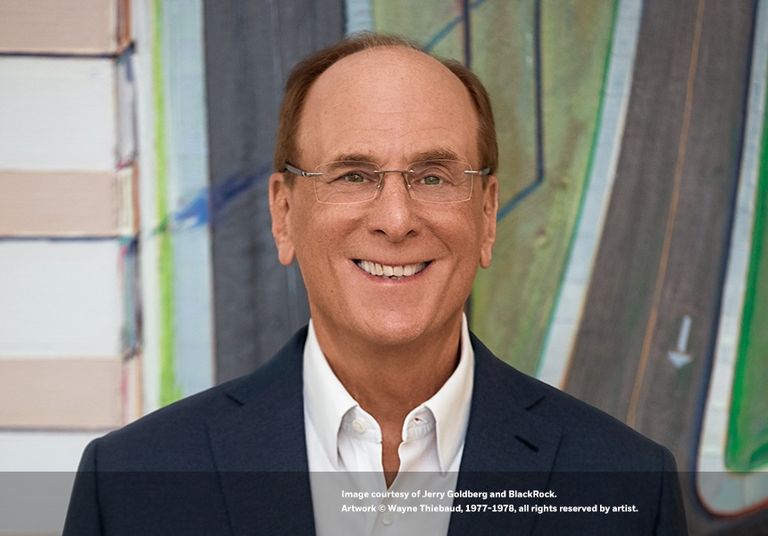
Growing with your country: Thoughts from a long-term optimist
In his 2026 Chairman’s Letter to Investors, Larry Fink explores how long-term investing can help more people share in their country’s growth as geopolitical change and AI are reshaping the global economy.
BlackRock's Mission
BlackRock’s purpose is to help more and more people experience financial well-being. As a fiduciary to investors and a leading provider of financial technology, we help millions of people build savings that serve them throughout their lives by making investing easier and more affordable.

We provide access
Helping more people access the world's markets by innovating to offer clients simpler solutions, lower fees, and strong performance across the whole portfolio.

We are a fiduciary
Making our business work best for our clients wherever they are in the world - we deliver global scale with local insights.

We provide choice
Starting with our clients' needs - we offer more options across public and private investments to help them meet their goals.