2026 Infrastructure Summit

March 11, 2026 | Washington, D.C.

Building America’s future together:
The infrastructure opportunity

Today, the United States faces an unprecedented opportunity to build the next generation of infrastructure. Delivering the infrastructure to support growing electricity consumption, the adoption of artificial intelligence, and the modernization of aging infrastructure offers the potential to accelerate U.S. economic growth and broaden prosperity for more Americans.

BlackRock and Global Infrastructure Partners (GIP), a part of BlackRock, are convening leading voices to answer one fundamental question: How can governments and companies work together to build the infrastructure America needs and support people around the country in taking up the skilled labor jobs that are critical to powering our future?

Featured speakers

Larry Fink
Chairman and CEO, BlackRock (co-host)
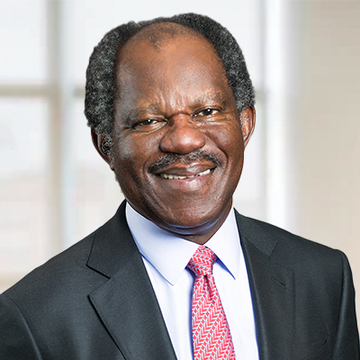
Bayo Ogunlesi
Chairman and CEO, Global Infrastructure Partners, a part of BlackRock (co-host)
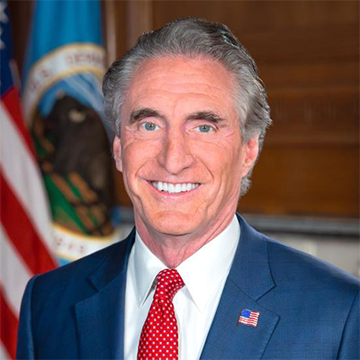
Doug Burgum
U.S. Secretary of the Interior and Chairman of the National Energy Dominance Council

Sean Duffy
U.S. Secretary of Transportation
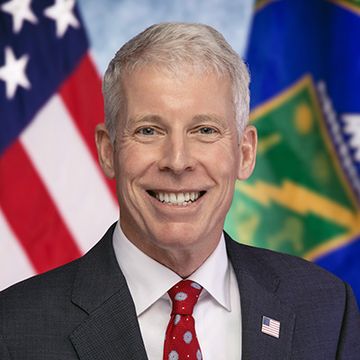
Chris Wright
U.S. Secretary of Energy

Gretchen Whitmer
Governor of Michigan

Mark R. Warner
U.S. Senator from Virginia
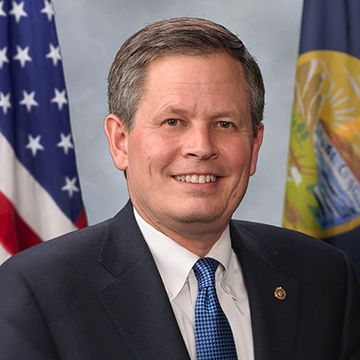
Steve Daines
U.S. Senator from Montana

Catherine Cortez Masto
U.S. Senator from Nevada

Todd Young
U.S. Senator from Indiana
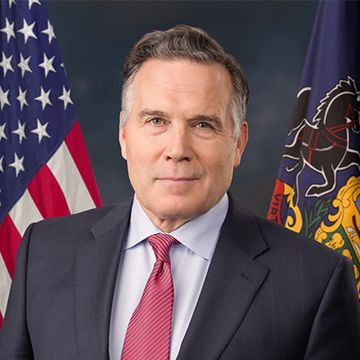
Markwayne Mullin
U.S. Senator from Oklahoma
John Ketchum
Chairman, President and CEO, NextEra Energy

Carol B. Tomé
CEO, UPS
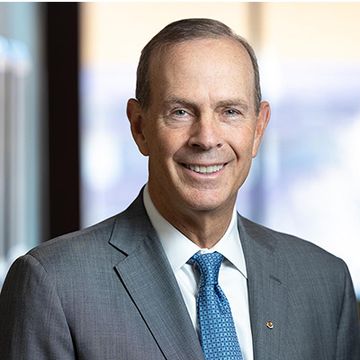
Mike Wirth
Chairman and CEO, Chevron
Dina Powell McCormick
President and Vice Chairman, Meta

David Long
CEO, National Electrical Contractors Association

Sean McGarvey
President, North America's Building Trades Unions
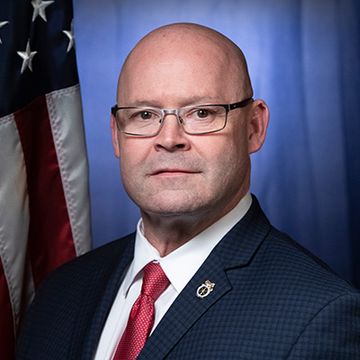
Sean M. O’Brien
General President, International Brotherhood of Teamsters
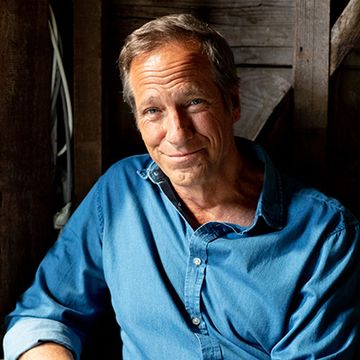
Oren Cass
Founder and Chief Economist, American Compass
Angie Cooper
President, Heartland Forward
Bruno Manno
Senior Advisor, Progressive Policy Institute
Mike Rowe
CEO, mikeroweWORKS Foundation

Agenda

Data Centers and AI
Examining the infrastructure demands of hyperscale computing and artificial intelligence, focusing on data center development, energy intensity, and capital deployment.

Powering America’s AI Future
How can the U.S. generate sufficient, reliable power to support AI-driven growth? The panel addresses grid expansion, nuclear, and the policy frameworks needed to meet surging electricity demand.

Federal Priorities
A bipartisan conversation on federal infrastructure priorities, from permitting reform to industrial policy, and what is politically achievable and where cross-party alignment may emerge.

Energy Security
A discussion on domestic production, geopolitical risk, and the role of U.S. energy in strengthening national security. The panel considers how energy policy intersects with global competition and economic resilience.

State Spotlight (Heartland)
A state-level perspective on infrastructure investment, economic competitiveness, and workforce development, and on how the public and private sector can work together to increase investment in America's heartland.

Transportation and Logistics
An examination of the movement of goods across the U.S., focusing on supply chains, freight networks, and regulatory modernization.

Future of the Workforce
Discussing the evolving American workforce, with a focus on skilled trades, labor participation, and aligning education with infrastructure needs.

Building America
Exploring the intersection of public policy and organized labor in rebuilding U.S. infrastructure.

American Compass and Progressive Policy Institute
Leading American think tanks discuss where the right and left can come together on productive approaches to industrial policy and labor markets in the US.

Infrastructure and Labor
Labor leaders discuss workforce capacity, project execution, and the skilled labor pipeline needed to deliver large-scale infrastructure projects.

National Security and Resilience in Critical Infrastructure
A senate-level conversation about how infrastructure resilience intersects with national security, including supply chains, cyber risk, and strategic industrial capacity.

The world is entering what could be the greatest period of construction in all of human history, investing as much as $85 trillion in infrastructure over the next 15 years. To do this, we need to modernize the old and construct the new simultaneously. The AI era is driving rapid demand for data centers and the energy needed to power them, but that's not all.


Power grids, ports, pipelines. So many were built in the mid 20th century and today they're reaching the end of their useful lives. At the same time, fast-growing cities and emerging economies need a lot of infrastructure, energy, transportation, telecoms, and the world economy is changing so quickly. This means that companies need to rethink their supply chains to create new capacity that's closer to their consumers.


Infrastructure isn't abstract. It's the world around us. The systems that move people, that enable business and that improve everyday life. Investing in infrastructure generates an outsized economic impact by encouraging a wider and freer exchange of goods and people and ideas all around the world. But we can't build this physical capital without human capital.


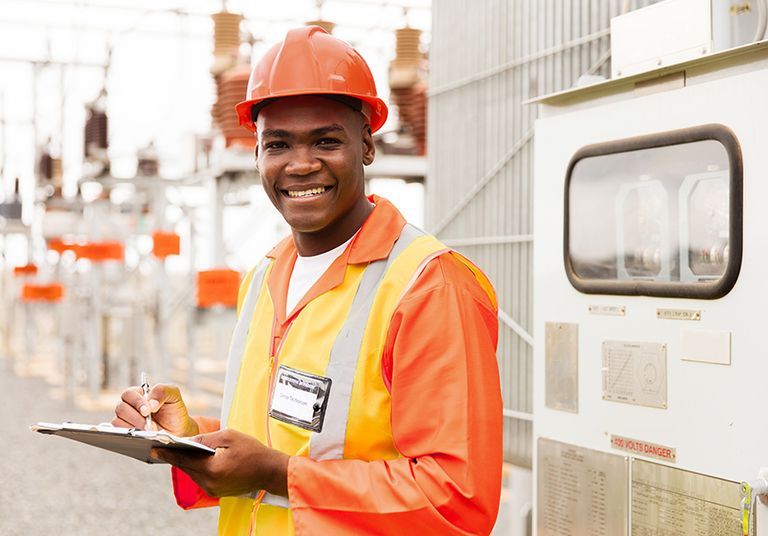
We need skilled workers to design and construct and maintain these systems. We need electricians, HVAC technicians, welders, carpenters, many others, and lots of them. In the US the Labor Department projects employment in these jobs will grow by more than 5% over the next decade, and this is much faster than the 3% national average.


Jobs and skilled trades offer good wages with low opportunity costs, long-term career progression, and they're resilient against automation and offshoring. But building this workforce takes time. Many trades require multi-year apprenticeships. Governments, companies, schools all need to work together now to modernize and scale apprenticeship programs, to expand recruitment, and to align vocational training with the fast changing needs of the labor market.


This is an opportunity to invest not only in infrastructure, but also in people. The investment opportunities are here, and the question now is whether we can train the workers we need to build the future.

How the construction boom will reshape the global workforce

Demand for new infrastructure is rising fast – and so is the demand for skilled talent. Upgrading old systems and building new ones to meet the needs of a modern society requires scaling skilled labor pipelines and unlocking the workforce of tomorrow. Watch the video to learn more.

Contact

Please note that attendance at the Summit is by invitation only. For any inquiries regarding registration for the event, please reach out to Office of the CEO Events.

For media inquiries, please reach out to BlackRock Corporate Communications.